
The new standard in provisional fixation

the old standard of care:
invasive clamps
lag screws stripping
hand-hungry clamps
costly added hardware
Obstructive instruments
inefficient work flow
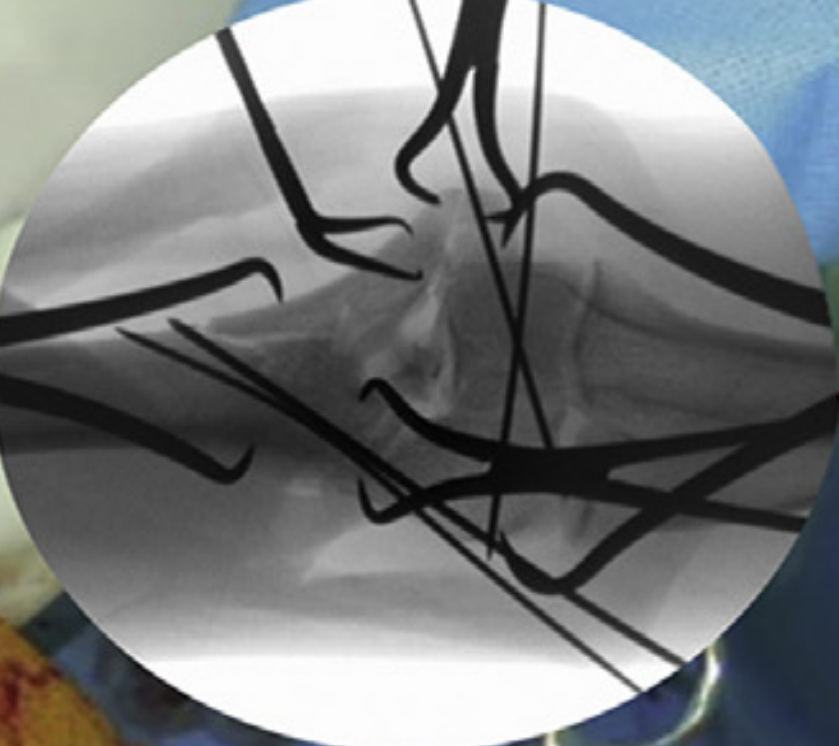
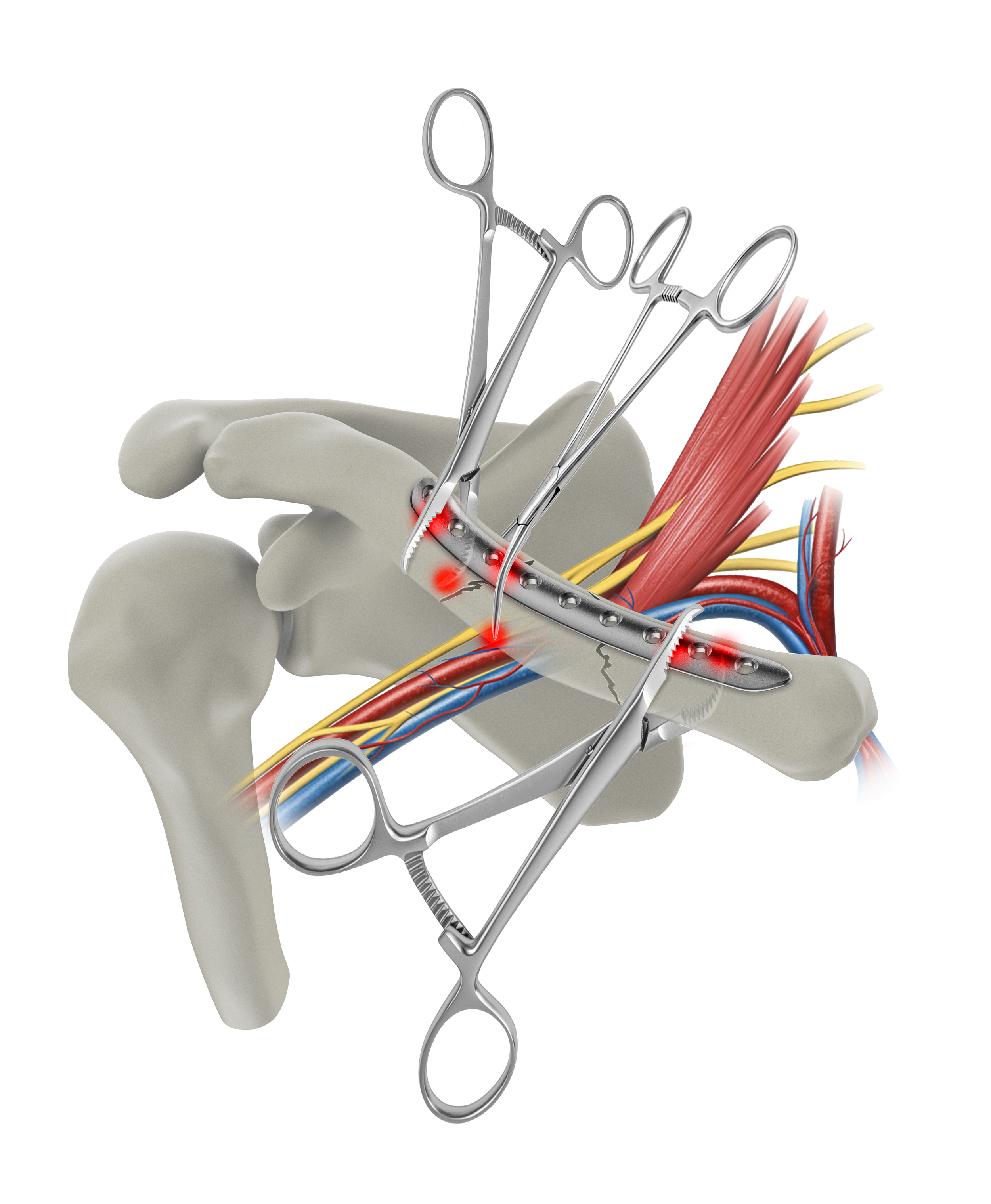
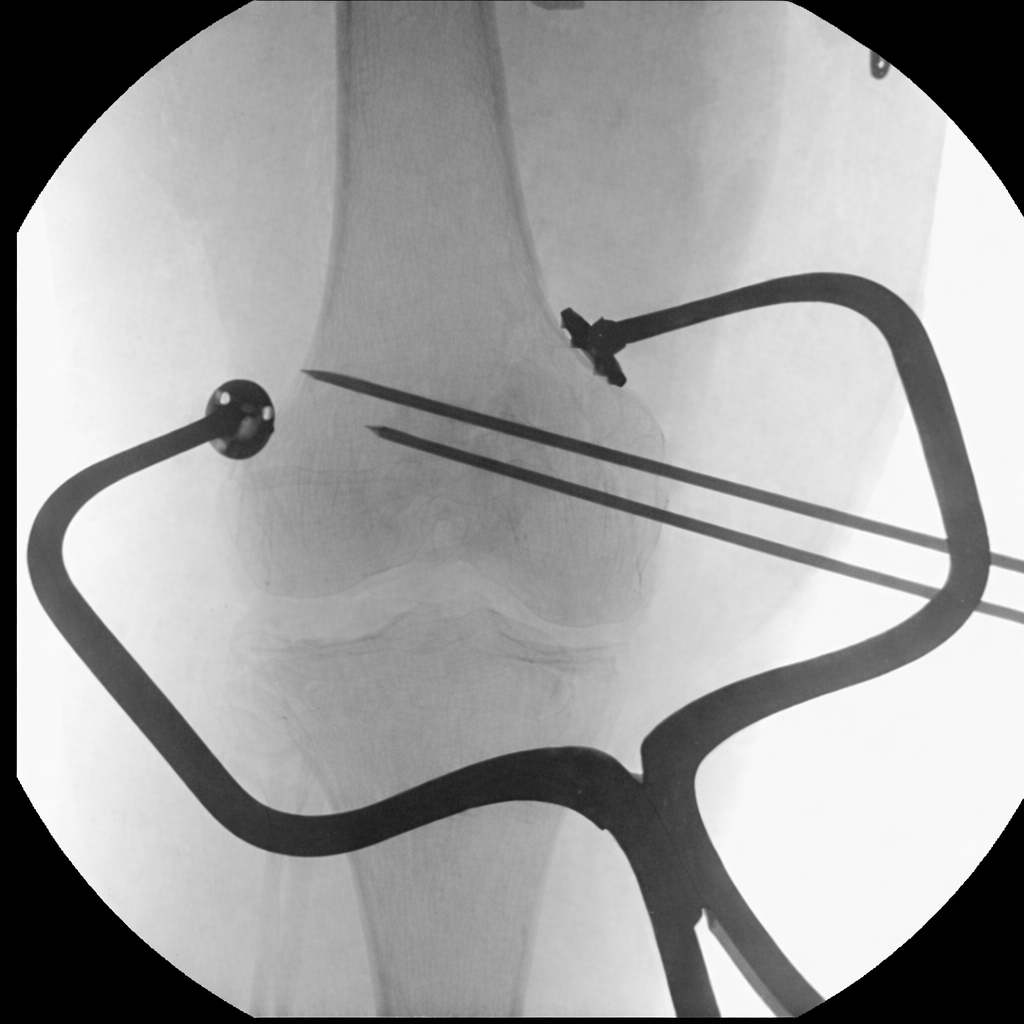
“Often, the most clinically critical and technically demanding step in fracture fixation is the reduction.”
Provisional fixation simplified
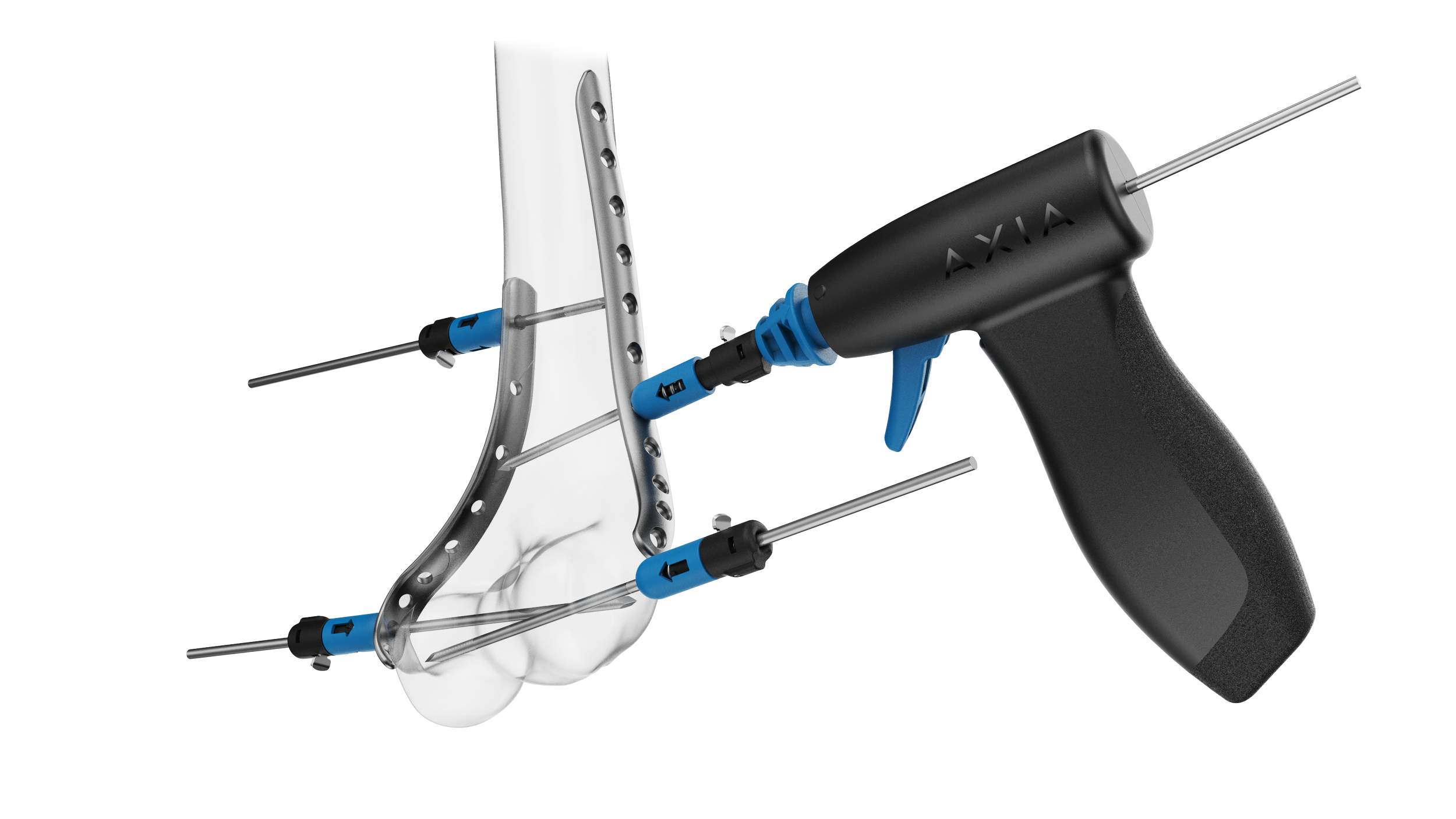
How SOlofix works:
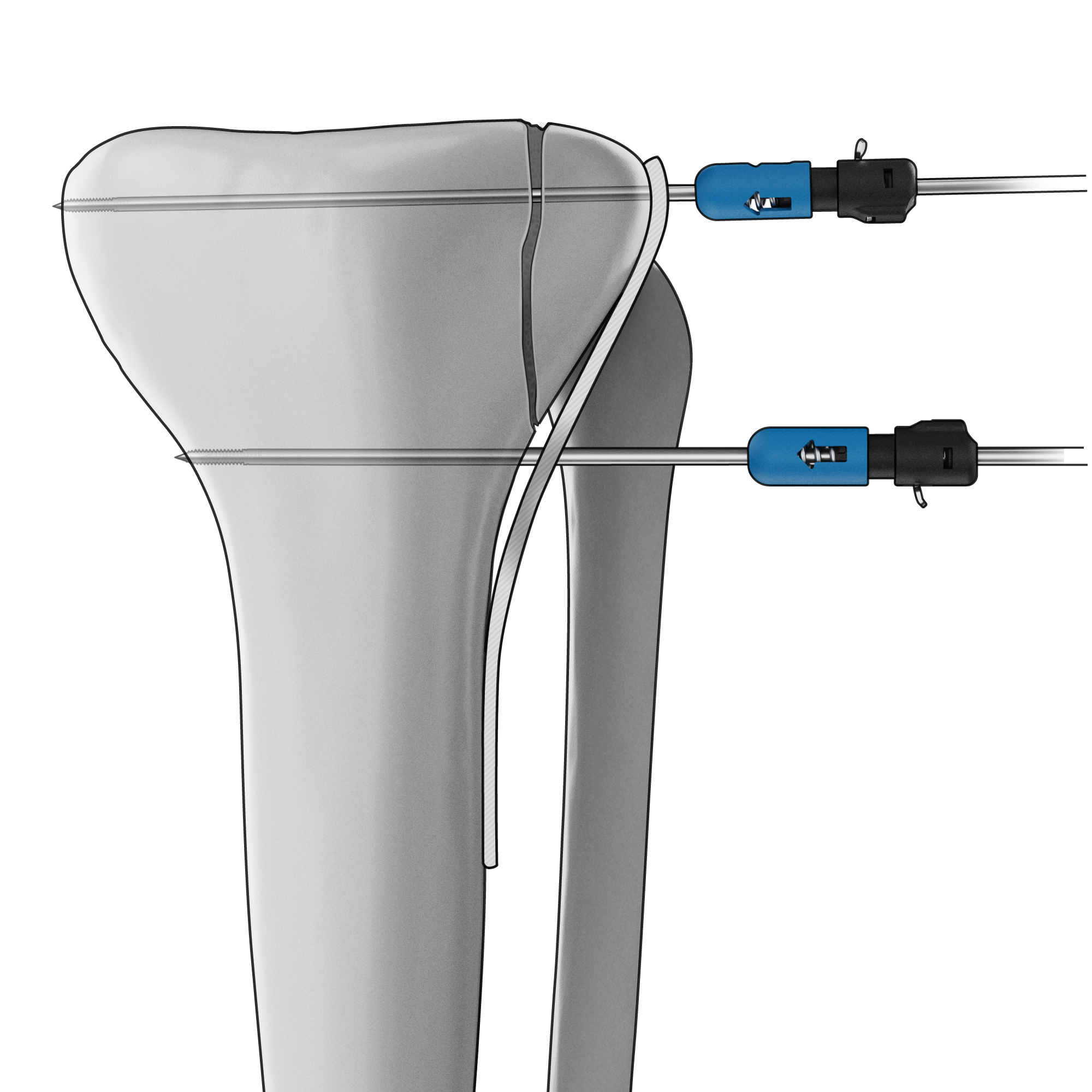
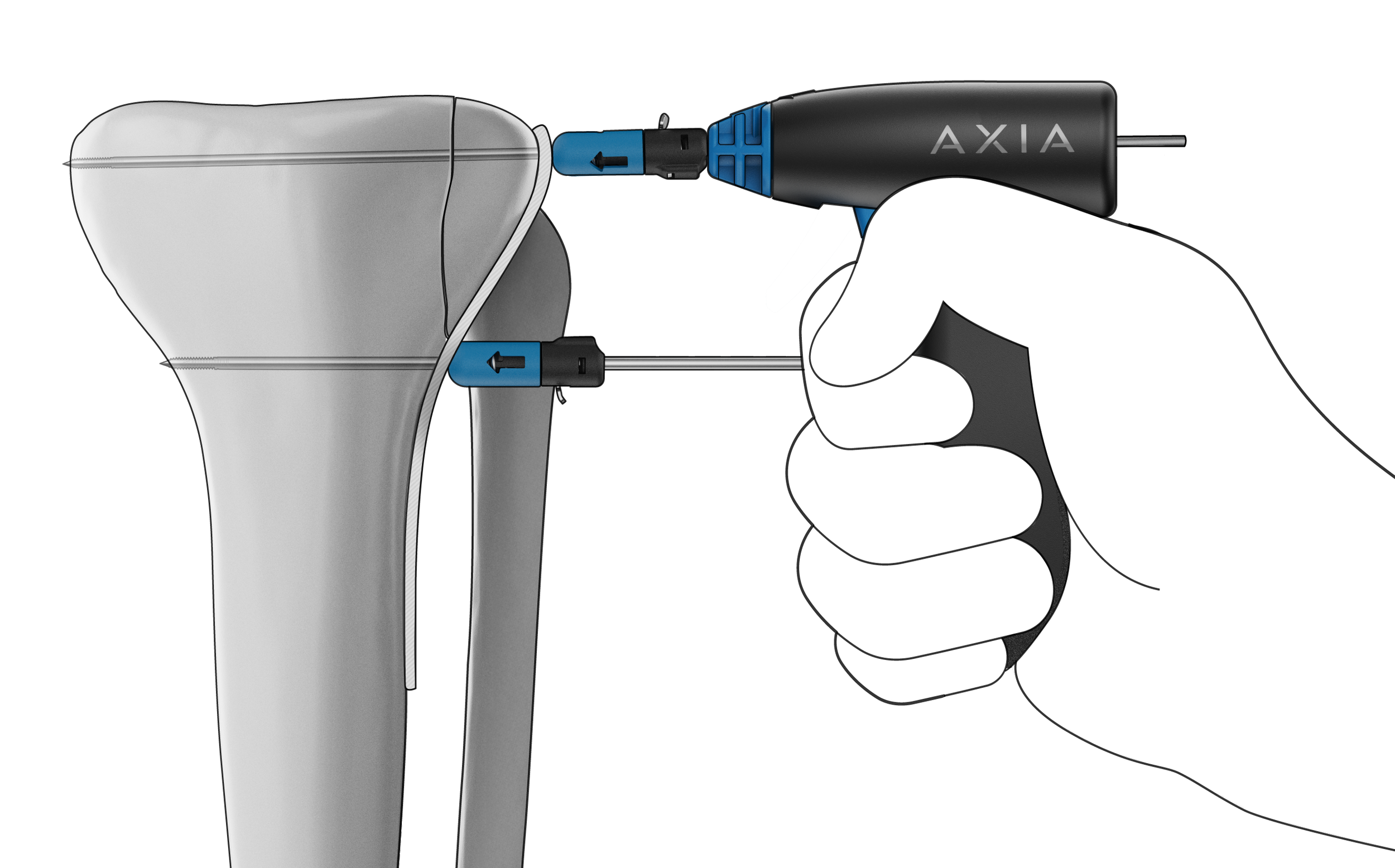
Slide the SOLOFIX™ Wire Lock down the partially threaded K-wire to the implant or bone
Compress the Wire Lock by hand or use the calibrated Compression Handle for increased compression
Locks in place on the K-wire to maintain compression
designed to assist with:
Fragment Compression
In Situ Plate Contouring
Percutaneous Reductions
Designed by surgeons to:
be Less Invasive
One-sided reduction decreases dissection and eliminates risks from percutaneous clamping.
sustain hands-free reduction
65% reduction in time interacting with clamps*
generate Higher Compression
50% stronger than torque-based compression (i.e. headed screw)*
what are surgeons saying?
“That’s genius! That’s like the wound vac of plates, so simple but so brilliant.”
“We design our approaches to avoid critical structures so you’re always placing a clamp where you don’t want it. This allows one sided reduction which is a game changer.”
“This is brilliant. I love the Synthes Collinear Clamp and I would use this in place of that.”
“This is amazing. It would save me an hour in my elbow cases. I spend so much time placing and moving clamps.”


